
From Chaos to Clarity
As an Integrator, I love taking the moving pieces of a business and turning them into something more streamlined, more intentional, and easier to manage.
Whether it’s documenting processes, building reporting tools, mapping marketing systems, clarifying team roles, or creating strategic resources, my work is all about helping individual leaders and team members operate with more confidence and make better decisions as they grow, leading to business growth.
Below are an overview of the systems, tools, and strategic assets I create to help businesses grow with more clarity and less chaos.
If your business could benefit from any of the support you see below, I’d love to talk through what that could look like. You’re welcome to schedule a call with me below.
-Karleigh Heywood
Team Role Design, Responsibilities & Strengths Alignment
Helping teams get clear on roles, ownership, and how they work best
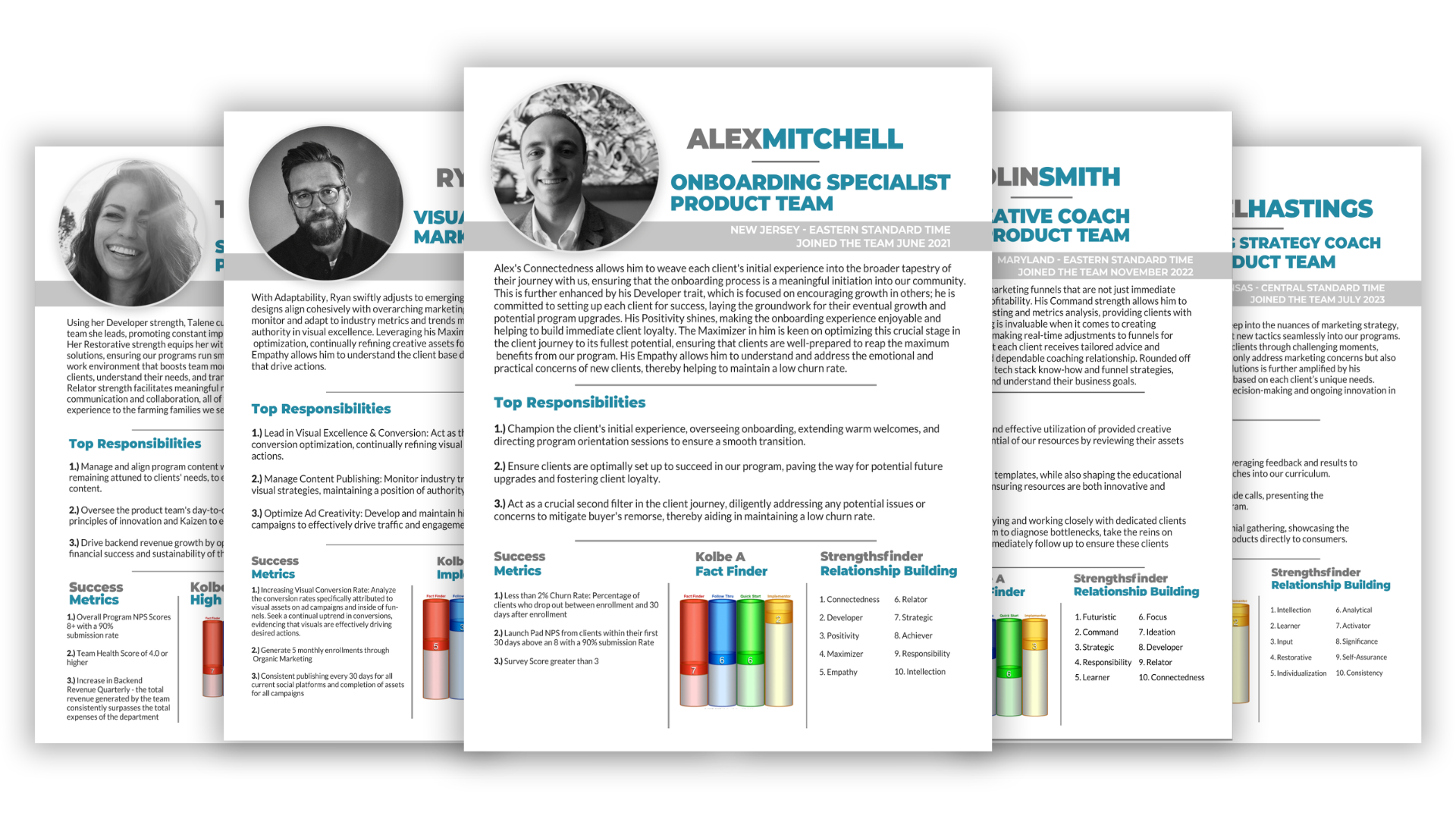
One of the fastest ways to reduce confusion and improve performance is to bring clarity to each person’s role. I create role one-sheets, responsibility outlines, and success metrics that help team members understand what they own, what’s expected of them, and how their natural strengths support the work they do.
When a team has that kind of clarity, communication improves, accountability gets stronger, and leaders are able to manage with a whole lot more confidence.
What this can include:
Role one-sheets, success metrics, strengths-based role alignment, team responsibility mapping
Marketing Strategy, Design & Build-Out
Turning marketing ideas into organized, functional systems
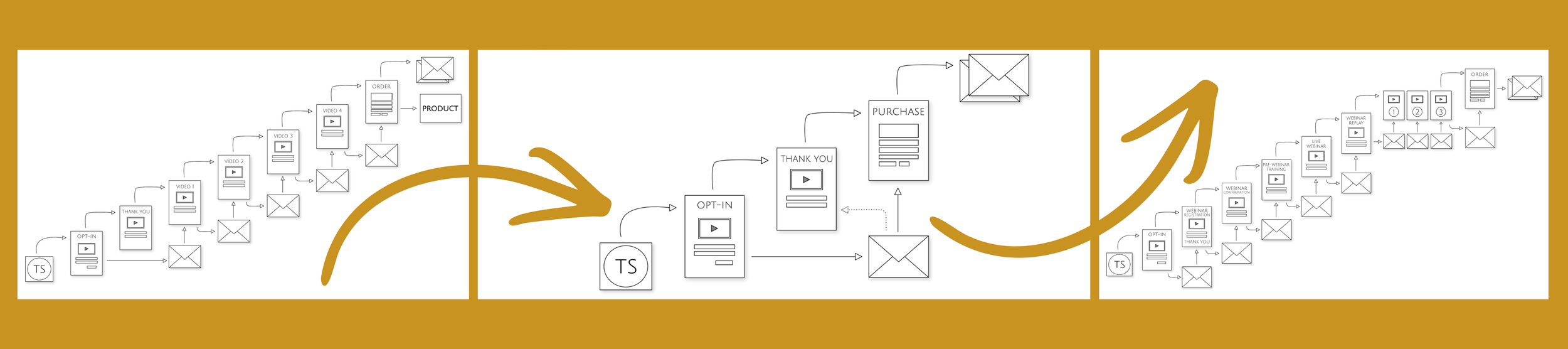
A great marketing strategy needs more than good ideas. It needs structure. I help map and build the behind-the-scenes systems that support lead generation, nurture sequences, customer journeys, and campaign execution.
From funnel planning to automations and process flow design, I create the operational side of marketing so the strategy is not just inspiring, but actually implementable.
This helps businesses move from scattered efforts to a more cohesive system that’s easier to manage, improve, and scale over time.
What this can include:
Funnel maps, automations, customer journey flows, campaign structure, marketing process design
Financial Reporting
Creating financial visibility so leaders can make smarter decisions
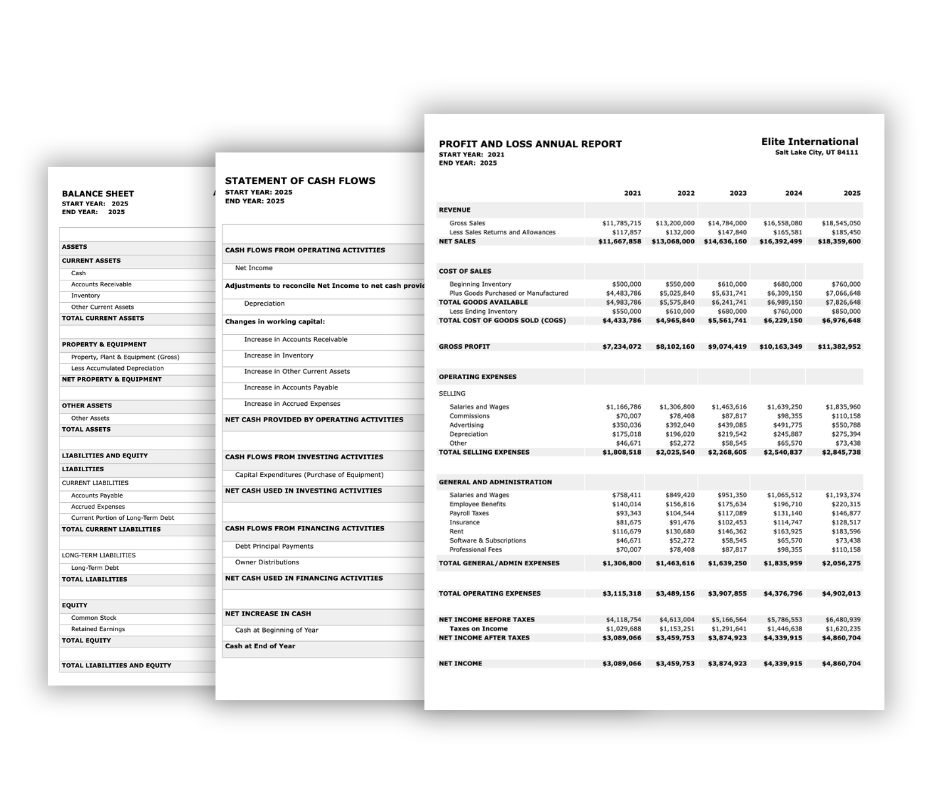
Numbers tell a story, but only if they’re organized in a way that people can actually use. I create financial reporting tools and documents that help business owners and leadership teams better understand the health of the business.
That can include profit and loss statements, balance sheets, cash flow reports, and other reporting views that make it easier to spot trends, ask better questions, and make more informed decisions.
My goal is always to make the financial side of the business feel clearer, more accessible, and more actionable.
What this can include:
P&L reports, balance sheets, cash flow statements, financial summaries, custom reporting views
Entrepreneurial Operating System (EOS)
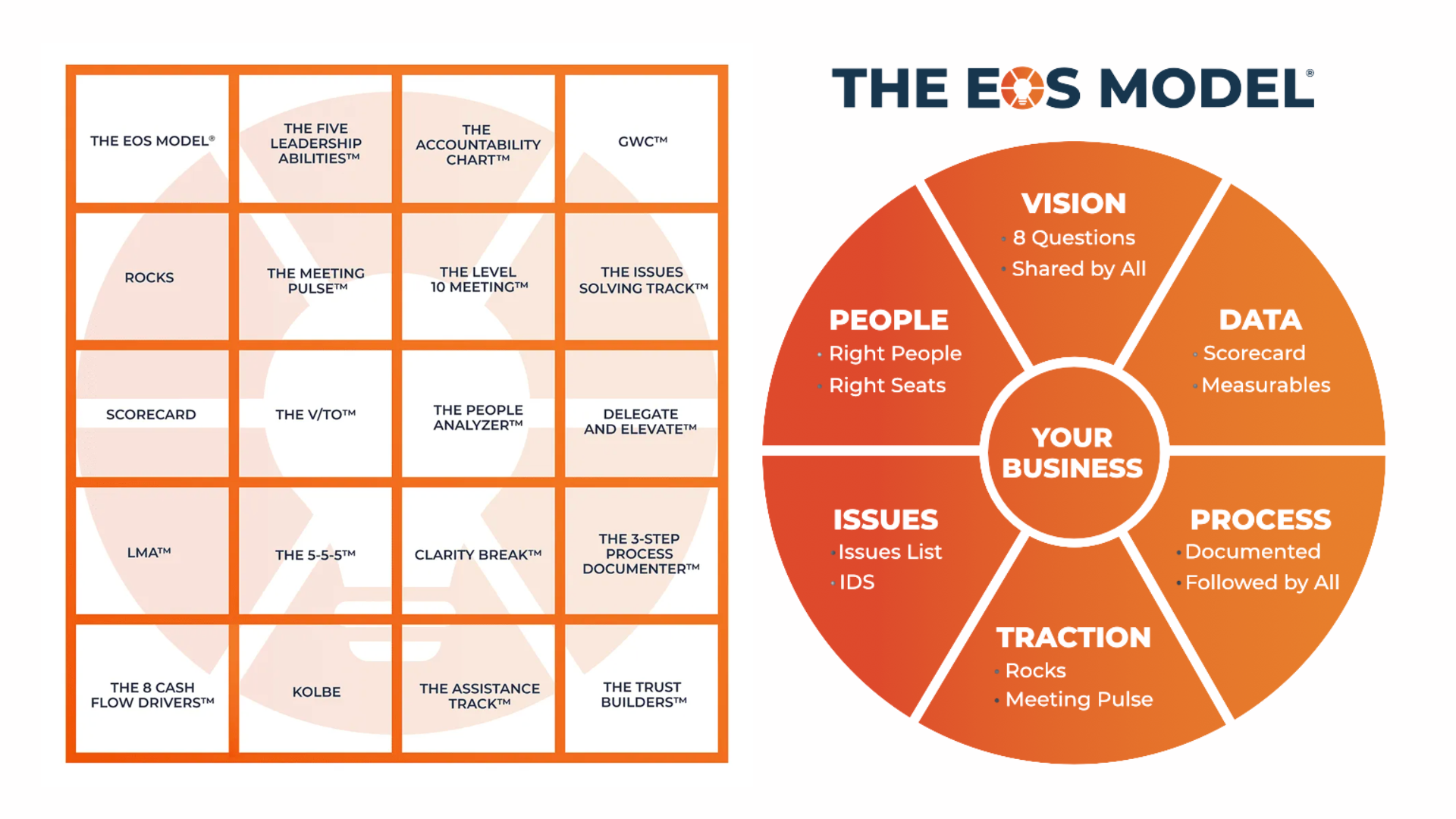
EOS gives a growing business a simple, powerful way to create clarity and traction. I help leadership teams bring those tools into real life so they support the way the company communicates, prioritizes, solves issues, and follows through.
From scorecards and accountability charts to meeting rhythm, Rocks, and process documentation, I help create the structure that keeps the business moving forward. When the right tools are implemented well, leaders gain visibility, teams gain clarity, and execution becomes far more consistent.

Handbooks, Strategy Playbooks, Growth Plans
& E-books
Creating the documents that bring structure, consistency, and clarity to a business
Strong businesses need more than good intentions. They need clear documentation that supports the team, reinforces the strategy, and makes expectations easier to communicate.
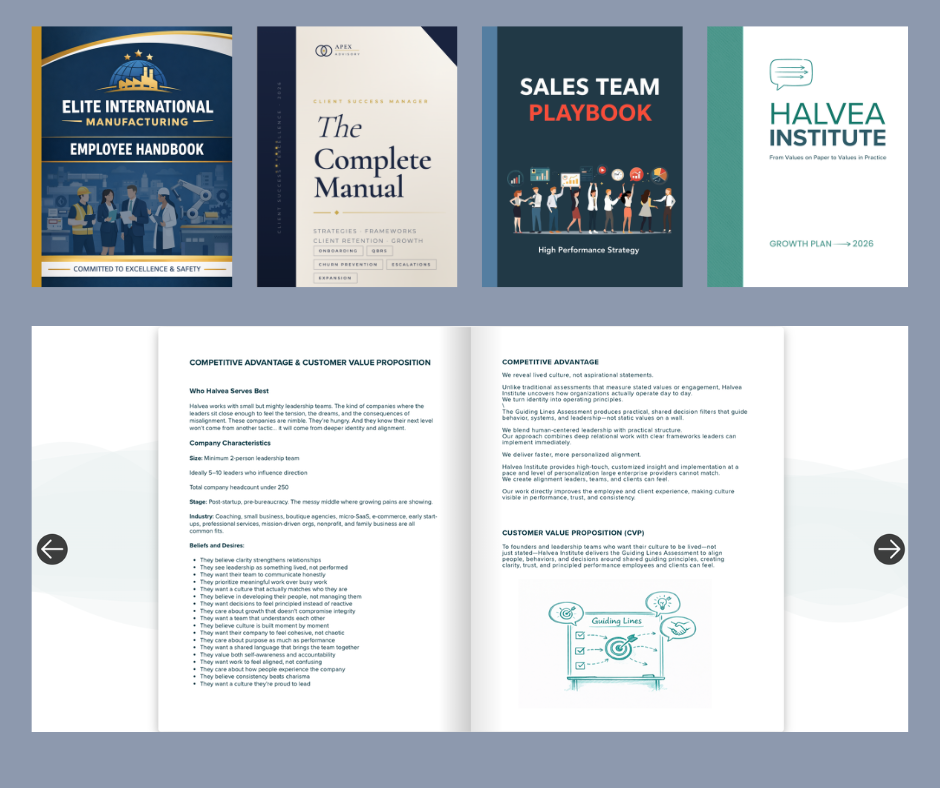
I create polished, practical documents like employee handbooks, sales playbooks, growth plans, process guides, training materials, and ebooks that help businesses organize what they know and turn it into something useful.
These assets help teams onboard faster, stay aligned, and operate more consistently without relying on everything living in someone’s head.
What this can include:
Handbooks, playbooks, internal guides, growth plans, training resources, ebooks
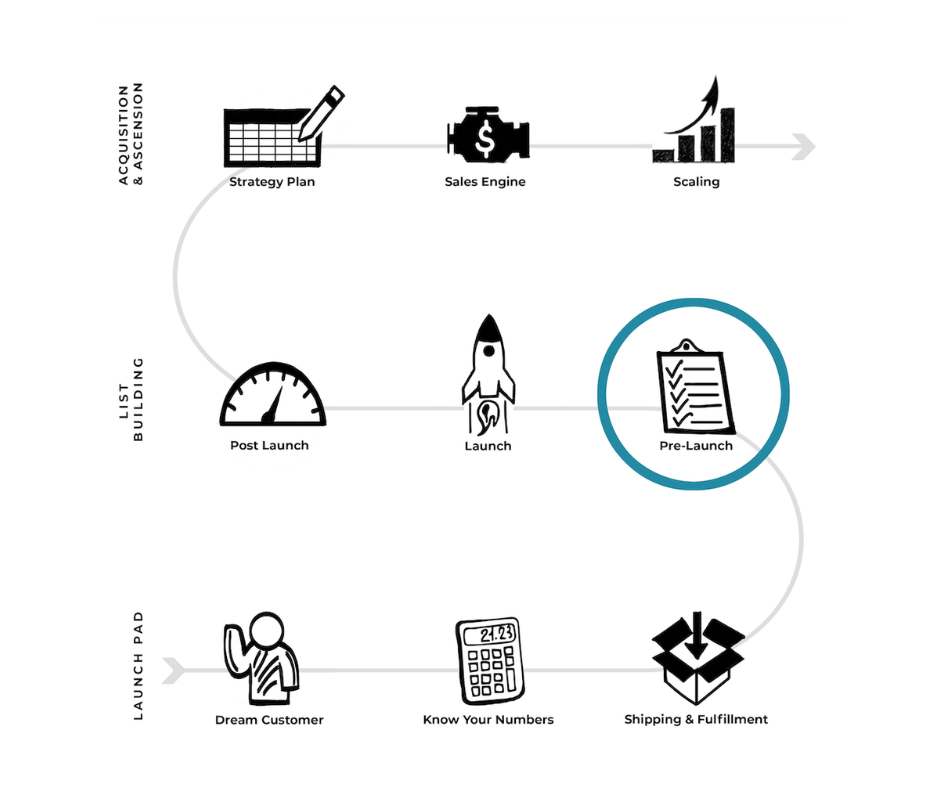
Framework Design, Strategy & Training
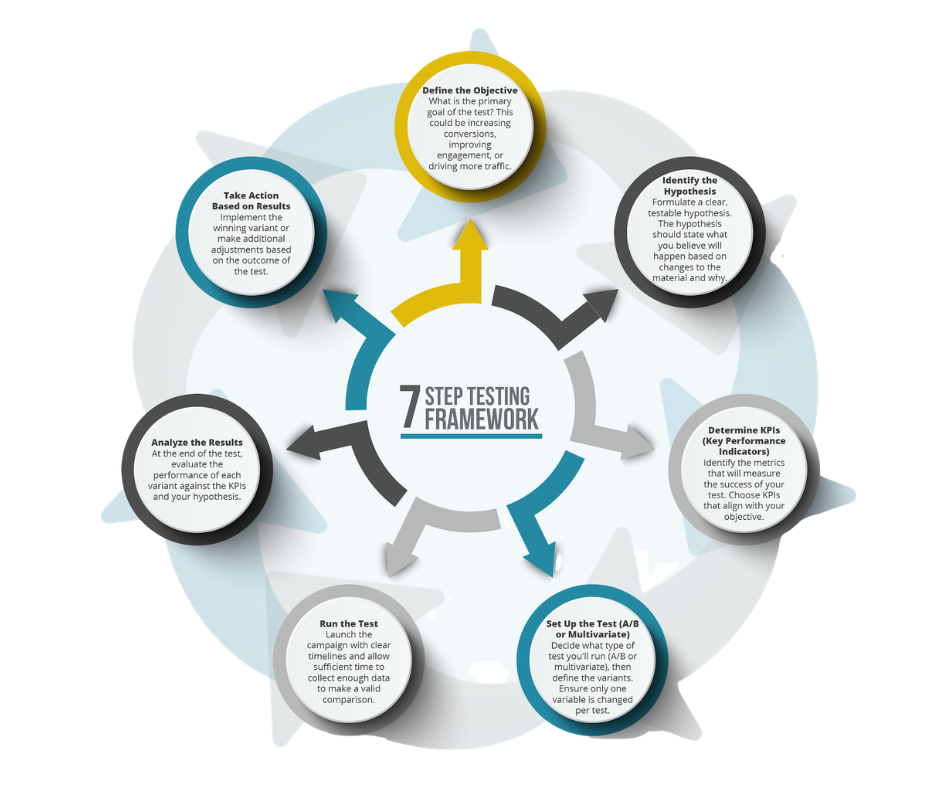
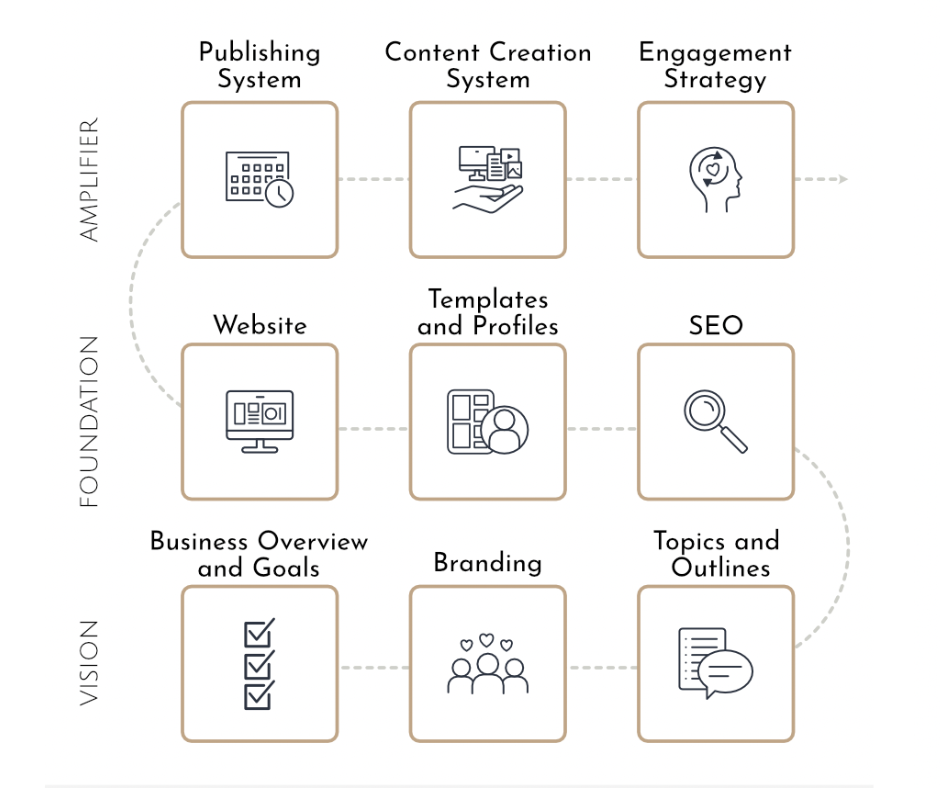
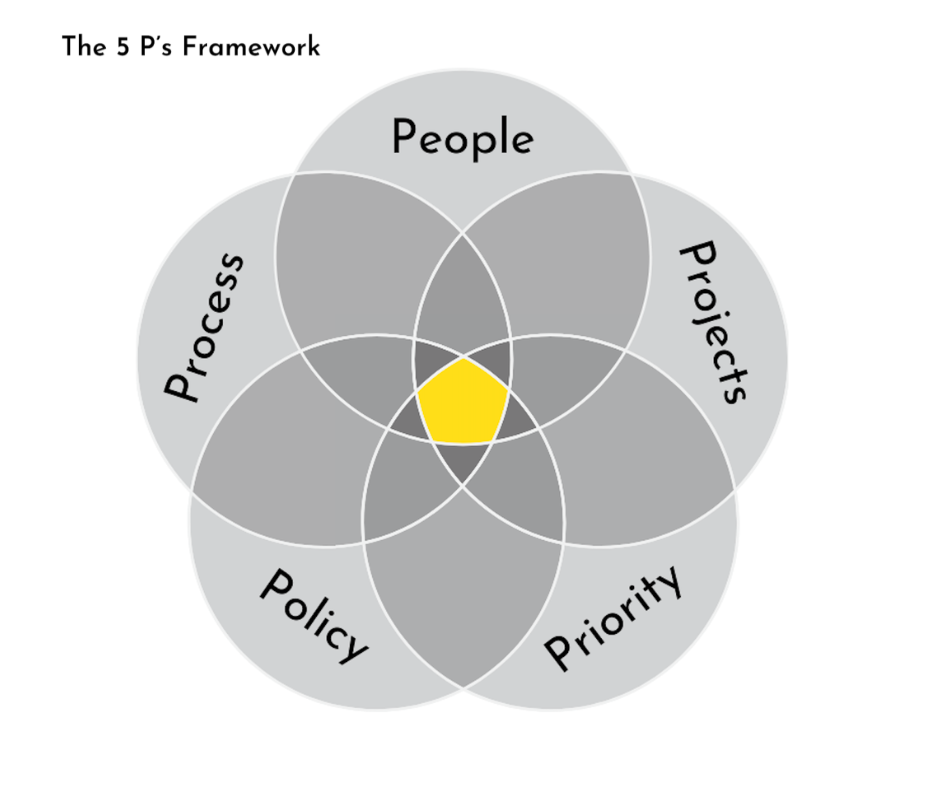
Turning big ideas into clear frameworks people can actually use
Sometimes the most valuable work in a business starts with taking something complex and making it simple. I help design frameworks, models, and strategic tools that make ideas easier to understand, communicate, and apply.
This might look like a custom process framework, a strategic planning tool, a visual model for training, or a structure that helps a team think and make decisions more consistently.
I love building resources that help businesses not only clarify their thinking, but also teach that thinking to others.
What this can include:
Strategic frameworks, visual models, team training tools, planning structures, internal methodology design, scalable and repeatable processes

Analysis for Decision-Making Based on Actual Metrics
Using data and dashboards to support better day-to-day decisions
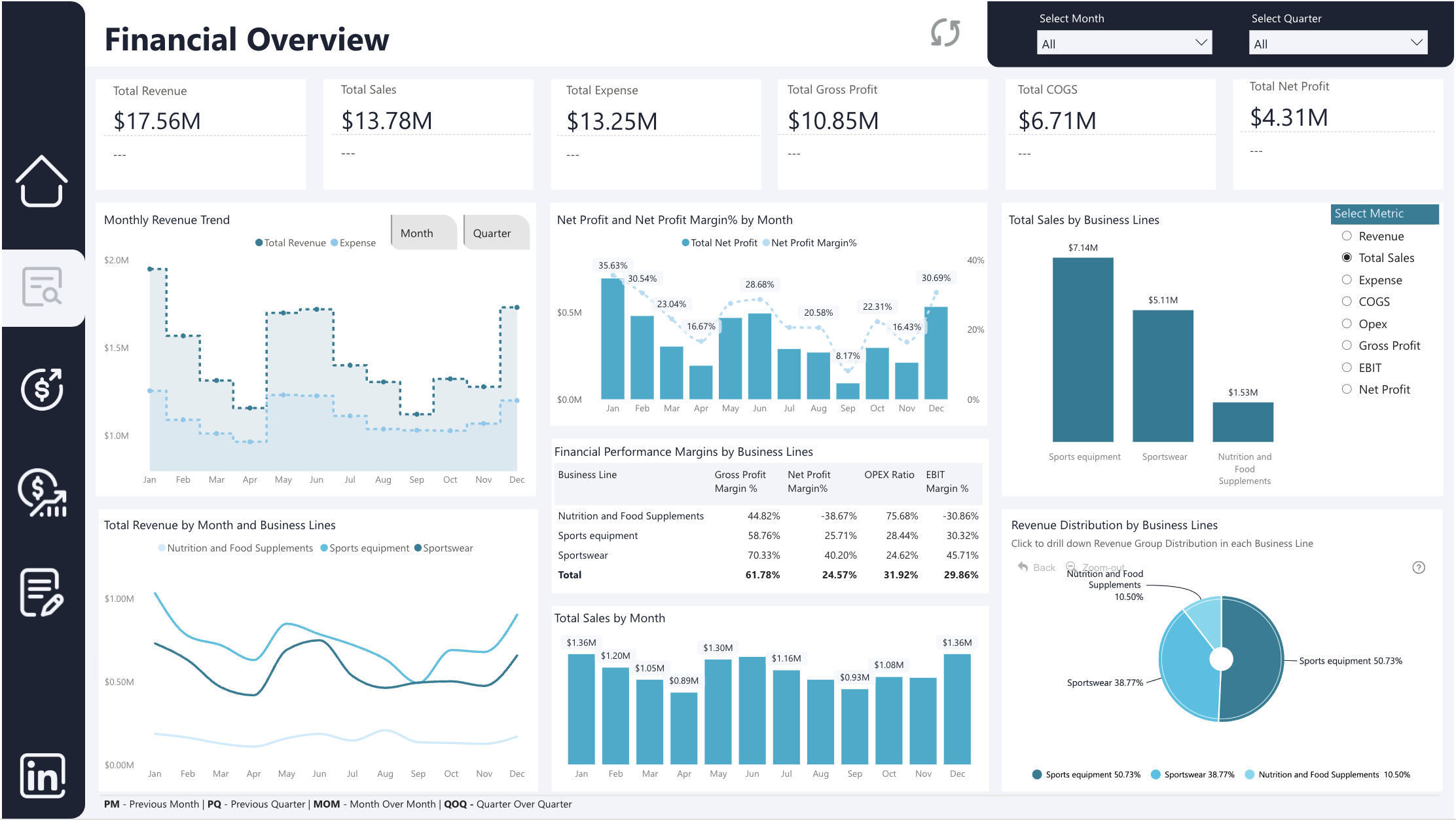
When leaders can clearly see what’s working, what’s changing, and what needs attention, decision-making gets a whole lot easier. I create dashboards, spreadsheets, scorecards, and custom analysis tools that help businesses track performance and use real data to guide their next steps.
This work is especially valuable for teams that need a clearer view of trends, metrics, and operational performance without getting buried in complexity.
The goal is simple: make the right information visible so better decisions can happen faster.
What this can include:
Dashboards, KPI tracking, scorecards, spreadsheet analysis, custom reporting tools
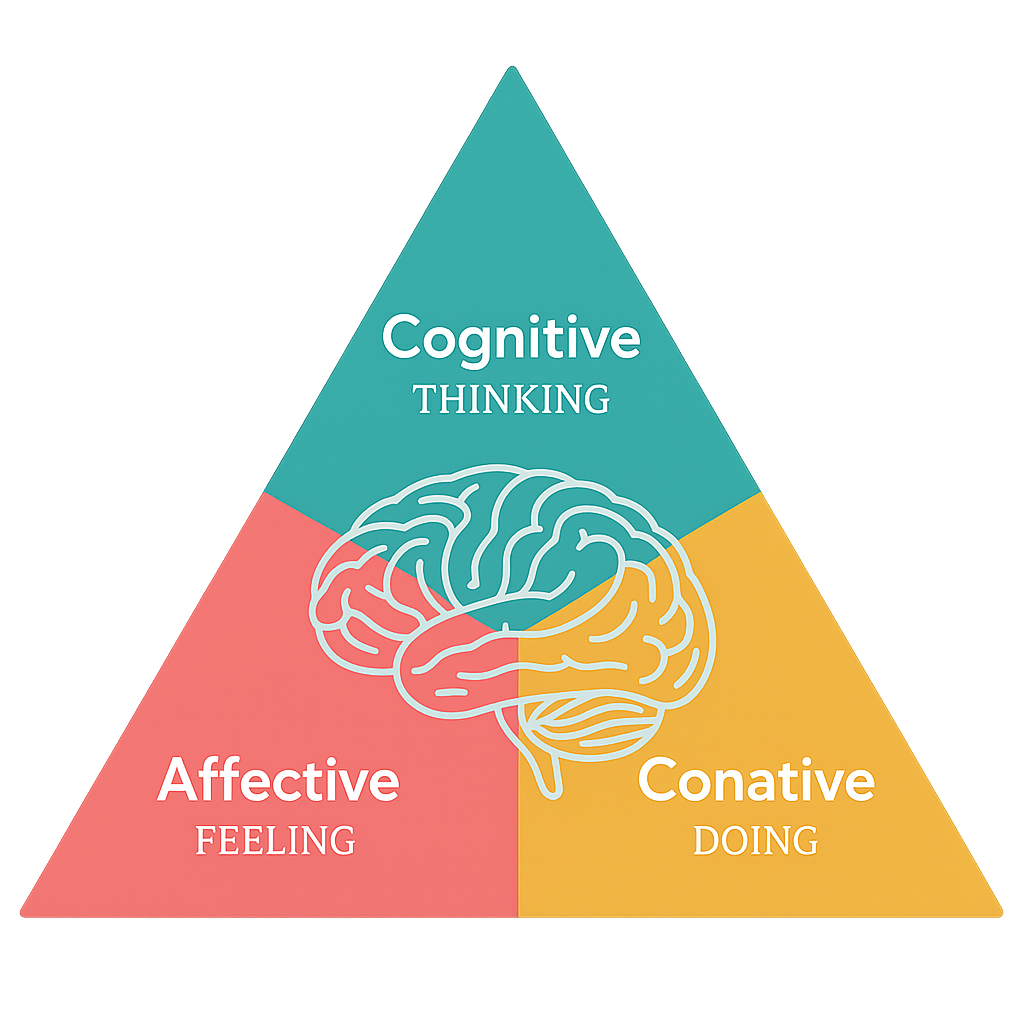
THINKING (Cognitive)
How a person processes information, solves problems, and contributes intellectually. When this is clear, roles and decision-making become more aligned.FEELING (Affective)
What drives a person, what matters most to them, and what creates engagement or frustration. When leaders understand motivation, they can lead with greater awareness and retain people more effectively.DOING (Conative)
How a person naturally takes action, initiates, organizes, and follows through. When work matches a person’s natural method of operation, execution becomes more sustainable and less forced.
This can support: team communication, role fit, leadership development, hiring insight, conflict reduction, and stronger day-to-day collaboration.
Supported by certified tools and practical application: CliftonStrengths® and Kolbe® insights used in real operational environments.
Strengths-Based Team Development
Using science-backed tools to improve communication, role fit, and team performance
A business does not get stronger through systems alone. It also gets stronger when the people inside it understand how they naturally think, act, and relate to one another.
That is why part of my work includes strengths-based coaching and team development. Using tools like CliftonStrengths® and Kolbe®, I help leaders and team members better understand how they solve problems, take action, communicate under pressure, and contribute at their best.
This work is especially valuable during growth, hiring, role redesign, leadership transitions, and seasons where a team is capable but misaligned.
When people have language for how they are wired, they work with less friction, more ownership, and far more clarity.
At the heart of all of this is one thing: execution with clarity.
I help build the operational foundation that supports better communication, stronger systems, and more intentional growth. Whether I’m creating a document, a report, a framework, or a process, the goal is always the same: to make the business easier to understand, easier to run, and better equipped to scale.
FAQs
-
A Fractional Integrator helps turn vision into execution. I help bring structure to priorities, improve accountability, support the leadership team, document and refine processes, and keep important work moving forward.
-
A Fractional Integrator sits between strategy and execution. Unlike a consultant who mainly advises, I help implement. Unlike a full-time COO, I work on a fractional basis. And unlike a task-focused OBM, I often work more directly with leadership, cross-functional priorities, decision-making rhythm, and team alignment.
-
Usually when the business is growing, the founder is carrying too much, communication is getting messy, priorities are competing, or the team needs stronger operational leadership without hiring a full-time executive yet.
-
That can include role design, reporting tools, dashboards, process documentation, handbooks, playbooks, EOS implementation support, marketing operations, onboarding systems, team clarity, and leadership support.
-
No. I also support the people side of execution. That can include strengths-based coaching, team communication, role alignment, and helping leaders better understand how to manage people according to their natural strengths.
-
Yes. I can work within the systems you already use and help improve what is there before recommending anything new. The goal is not to add complexity. It is to create more clarity and traction.
-
That depends on the company’s stage and needs. Some engagements are focused on a specific operational project. Others involve ongoing fractional support across leadership, systems, documentation, and team alignment.
-
Both. I can work with founders, leadership teams, and individual team members depending on what the business needs. In many cases, the best results come from supporting both the leadership level and the team level.
-
The best fit is usually a founder or leadership team that has momentum, a real need for structure, and a desire to build a healthier, more functional business rather than just putting out fires.